A house can look move-in ready and still hold serious home health hazards inside its walls, crawlspace, and foundation. Mold, radon, lead, and asbestos don’t announce themselves, and a standard home inspection usually isn’t designed to find them. For homeowners across Idaho Falls and the surrounding communities, knowing which risks hide in a property—and how a healthy home inspection catches them—is the difference between a home that looks safe and one that truly is.
At Eco Shield Restorations, we test for and remove the environmental hazards most general inspectors aren’t equipped to evaluate. Here’s a clear look at the federal framework behind healthy housing, the most common hazards we find in Eastern Idaho homes, and what to do about them.
What “Healthy Housing” Actually Means
The term “healthy housing” comes from the U.S. Department of Housing and Urban Development (HUD), which launched its Healthy Homes Initiative in the late 1990s—the first federal framework to link home conditions directly to family health. Today, HUD works alongside the EPA and the CDC to set standards, fund research, and guide the practices that keep homes safe to live in.
The practical takeaway for homeowners: a healthy home isn’t just one that’s clean and well-decorated. It’s one that’s dry, well-ventilated, and free of the contaminants known to cause long-term illness. HUD distilled that into eight simple principles.
HUD’s 8 Healthy Home Principles
These principles are the backbone of healthy housing. Most hazards in a home trace back to a breakdown in one of them:
- Keep it dry. Moisture is the root cause of mold, pests, and structural damage.
- Keep it clean. Dust, allergens, and contaminants build up fast in neglected spaces.
- Keep it safe. Trip hazards, unsafe wiring, and missing safety devices put families at risk.
- Keep it well-ventilated. Fresh air reduces pollutants, moisture, and respiratory triggers.
- Keep it pest-free. Rodents and insects carry allergens, bacteria, and disease.
- Keep it contaminant-free. Lead, asbestos, radon, VOCs, and mold must be controlled or removed.
- Keep it maintained. Small issues become big hazards when ignored.
- Keep it temperature-controlled. Proper heating and cooling protect health and prevent moisture problems.
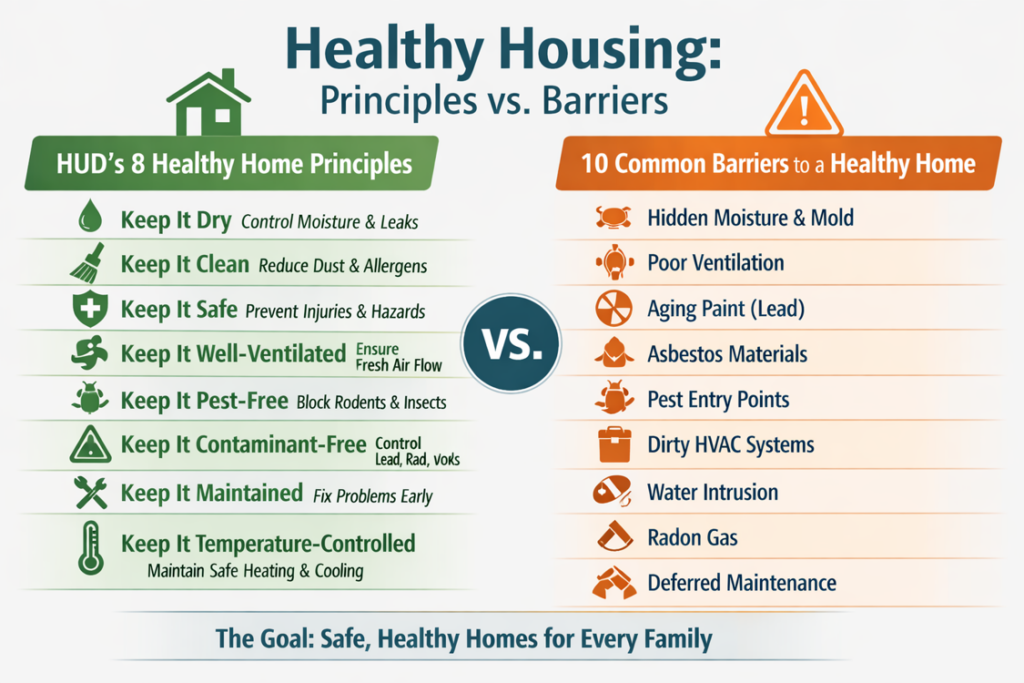
The Home Health Hazards a Standard Inspection Often Misses
- Hidden moisture. Crawlspaces, attics, basements, and plumbing leaks homeowners never see.
- Poor ventilation. Bathrooms without fans, blocked soffits, and sealed-tight homes that trap pollutants.
- Mold growth. A symptom of moisture problems, not the root cause.
- Aging paint in pre-1978 homes. Lead dust from friction surfaces like windows, doors, and trim.
- Asbestos in older materials. Popcorn ceilings, 9×9 floor tiles, pipe wrap, and vermiculite insulation.
- Pest entry points. Rodents and insects entering through gaps, moisture, or structural deterioration.
- Dirty or neglected HVAC systems. Dust, allergens, and poor filtration that degrade indoor air quality.
- Water intrusion. Roof leaks, foundation seepage, and plumbing failures.
- Radon. Especially high in Idaho—many homes test above EPA action levels.
- Temperature extremes. Poor insulation, inadequate heating and cooling, and condensation issues.
The Four Hazards Worth Testing For in Eastern Idaho
Of those barriers, four contaminants carry the most serious health consequences—and all four are common in our region’s housing stock.
Radon
Radon is an odorless, colorless, radioactive gas that seeps up through foundation cracks. It’s the second-leading cause of lung cancer in the U.S. after smoking. Idaho is a high-radon state, and many homes across Idaho Falls, Rigby, and Rexburg test above the EPA’s action level of 4 pCi/L. Because you can’t see or smell it, testing is the only way to know. Learn more about our radon testing and mitigation services.
Lead-Based Paint
Homes built before 1978 may contain lead-based paint, which creates lead dust as windows, doors, and trim wear against each other. There is no safe level of lead in the bloodstream, and children are especially vulnerable. As an EPA Lead-Safe Certified Firm, Eco Shield follows strict protocols for lead testing and abatement so renovations and repairs don’t spread contamination.
Asbestos
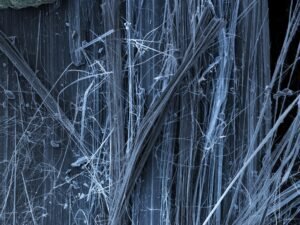
Asbestos was used in countless building materials before the 1980s—popcorn ceilings, vinyl floor tiles, pipe insulation, and more. Left undisturbed it may be stable, but cutting, sanding, or demolition can release fibers that cause lung disease and cancer. Never disturb suspect materials before professional asbestos testing and abatement.
Mold and Hidden Moisture
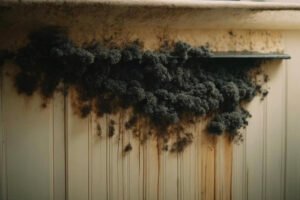
Mold is a symptom—the real problem is moisture. It often grows out of sight behind walls, under flooring, or in basements and crawlspaces, where it triggers allergies, asthma, and chronic respiratory issues. Addressing the moisture source is essential; otherwise mold returns. Our mold testing and remediation finds the source and removes the growth. If the moisture came from a leak or flood, our property damage restoration team can handle the repair as well.
Healthy Home Inspection vs. Standard Home Inspection
A standard home inspection is valuable—it covers the roof, foundation, electrical, plumbing, and major systems. But it stops at what’s visible and mechanical. It typically does not include radon measurement, lead or asbestos lab testing, or moisture mapping for hidden mold.
A healthy home assessment fills that gap. It looks specifically for the contaminants and moisture problems that affect your family’s health, using the testing that general inspectors aren’t certified to perform. If you’re buying an older home, renovating, or simply noticing unexplained allergy or respiratory symptoms indoors, that specialized testing is what tells you whether your home is as safe as it looks.
Frequently Asked Questions
What are the most common home health hazards?
The four most serious are radon, lead-based paint, asbestos, and mold. Poor ventilation, dirty HVAC systems, and hidden water intrusion are common contributors that make those hazards worse.
Does a standard home inspection test for mold, radon, lead, or asbestos?
Usually not. Standard inspectors evaluate structure and systems but don’t perform hazardous-material surveys or lab testing. Detecting these hazards requires specialized testing from a certified provider.
How do I know if my Idaho Falls home has radon?
The only way to know is to test. Idaho is a high-radon state, and many local homes test above the EPA’s action level of 4 pCi/L. Radon is odorless and invisible, so symptoms won’t warn you.
Is my older home likely to contain lead or asbestos?
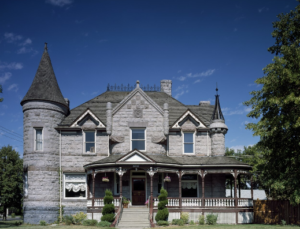
If it was built before 1978 it may contain lead-based paint, and materials installed before the 1980s may contain asbestos. Testing confirms whether either is present before you renovate or disturb them.
Why does mold keep coming back after I clean it?
Mold is a symptom of a moisture problem. If the underlying water source isn’t fixed, it returns. Professional remediation identifies and corrects the moisture source, not just the visible growth.
Who should I call for hazard testing in Idaho Falls?
Eco Shield Restorations is an EPA Lead-Safe Certified firm serving Idaho Falls and Southeast Idaho. We test for and remove radon, lead, asbestos, and mold. Call (208) 538-9211 for a free phone consultation.
Protect Your Family’s Air in Idaho Falls
If your home is older, recently flooded, or simply hasn’t been tested, the hazards above are worth ruling out before they affect your family’s health. Eco Shield Restorations serves homeowners across Idaho Falls, Ammon, Rigby, Shelley, Rexburg, Blackfoot, and Pocatello with certified, eco-friendly testing and removal.
Call (208) 538-9211 for a free phone consultation, or contact us online to schedule service.
Eco Shield Restorations · 1920 E 17th St. #208, Idaho Falls, ID 83404 · Mon–Fri 9 AM–5 PM