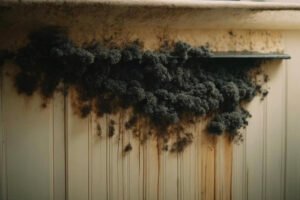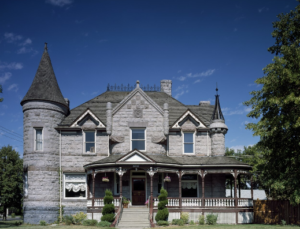
Renovation season brings opportunity — and regulatory exposure most sellers never see coming.
Before the first wall comes down, Realtors guiding sellers through older home updates need to understand more than paint colors and ROI. Pre-1978 homes often contain lead-based paint and asbestos-containing materials that trigger federal and state compliance requirements the moment renovation begins. Sellers who don’t know this going in can find themselves legally liable as regulated hazardous waste generators — even if a licensed contractor is doing all the work.
Below is a four-part framework for helping sellers approach renovation with clarity on what needs to happen, in what order, and why it matters.
1. Property Condition Review
Every renovation scope starts with an honest baseline assessment of the home’s condition. For older homes especially, that means looking beyond cosmetics.
A thorough review includes:
- Identifying the home’s age and any pre-1978 components
- Documenting visible deterioration — peeling paint, damaged plaster, moisture staining
- Reviewing known hazards, prior remediation, or previous testing results
- Confirming whether a hazardous materials survey has ever been completed
This step determines whether additional testing or professional assessments are required before any work begins. Skipping it doesn’t eliminate risk — it just moves it downstream.
2. Safety & Hazard Screening
Once baseline conditions are documented, the next step is evaluating what’s actually inside the home. Cosmetic renovations can quickly become compliance issues when hazardous materials are disturbed without proper protocols in place.
Key actions include:
- Evaluating for potential lead-based paint (LBP), particularly on surfaces scheduled for disturbance
- Checking for asbestos-containing materials (ACM) in flooring, texture, insulation, mastic, duct wrap, and other common locations
- Assessing moisture sources and possible mold conditions
- Flagging electrical, structural, or plumbing issues that could affect safe renovation sequencing
- Determining whether a new hazardous materials survey is required based on age, materials, or planned demolition scope
- Identifying which regulations apply: EPA RRP, OSHA, NESHAP, and applicable local requirements
This step ensures the renovation plan is grounded in compliance and safety — not just aesthetics.
3. Renovation Goals & Priorities
With hazards and conditions documented, sellers can make informed decisions about what to update and why. This is also where budget realism enters the picture.
This phase includes:
- Defining budget, timeline, and desired market positioning
- Separating cosmetic updates from safety-critical or compliance-driven work
- Identifying improvements with the highest ROI for the local market
- Integrating any required hazard abatement or containment steps into the renovation scope before finalizing a contractor bid
The goal is a renovation plan that is realistic, market-aligned, and compliant from the start — not one that gets revised mid-project when a contractor discovers something that should have been caught earlier.
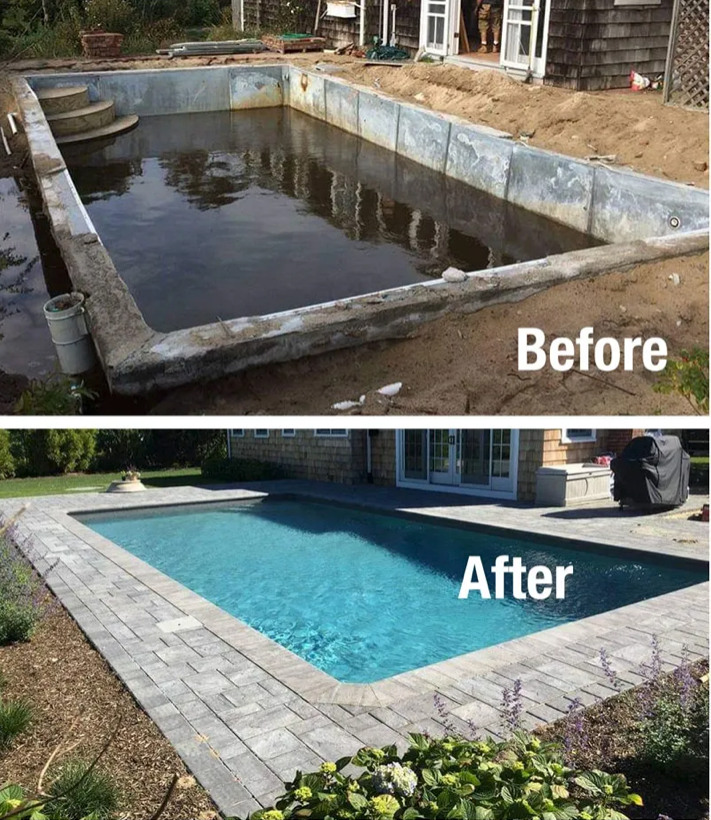
Add curb appeal?
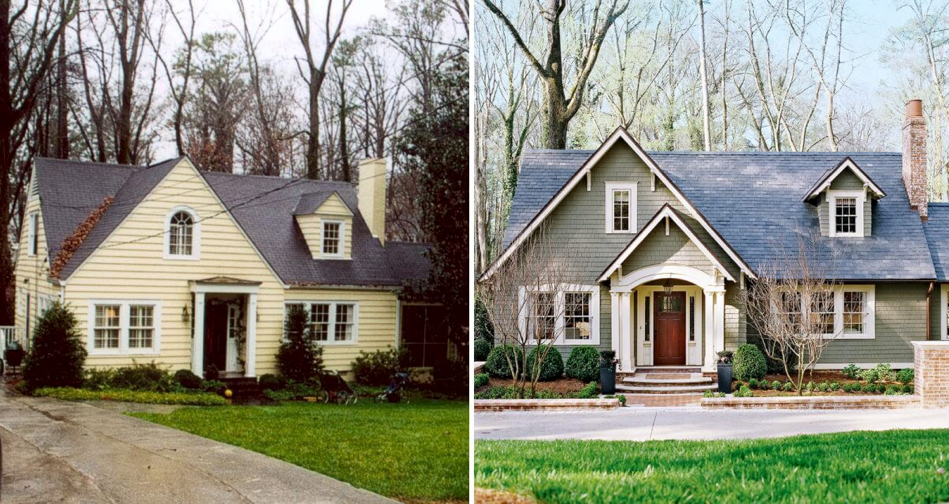
Or upgrade the pool?
4. Contractor & Trade Coordination
Not all renovation tasks are DIY-friendly, and many legally cannot be. This step ensures sellers hire qualified professionals who understand the regulatory environment and can document their work accordingly.
This includes:
- Determining which tasks require licensed or certified professionals
- Obtaining bids or estimates that account for each scope item, including hazard work
- Ensuring contractors follow all applicable regulations: EPA RRP, OSHA, NESHAP, and RCRA
- Confirming proper handling, containment, and disposal procedures for any identified hazardous materials
- Verifying that contractors provide documentation, certifications, and compliance records upon project completion
This protects sellers from liability and ensures the renovation is completed safely and legally.
Post-Renovation: Hazardous Waste Generator Liability
Here’s what most sellers — and many Realtors — don’t know: when a renovation disturbs lead-based paint or asbestos-containing materials, the property owner may become a regulated hazardous waste generator under federal law.
Both RCRA (which governs lead hazardous waste) and NESHAP (which governs asbestos waste) operate on a “cradle-to-grave” principle. Generators bear legal responsibility for hazardous waste from the moment it is created until it is properly treated, stored, or disposed of at an approved facility.
How Is “Generator” Defined?
Under 40 CFR § 260.10, a generator is any person whose act or process produces hazardous waste, or whose act first causes a hazardous waste to become subject to regulation. Importantly, the generator is not necessarily the person who physically produced the waste.
For example, a contractor who removes hazardous residues during renovation may be considered a generator — but so may the property owner, because operating the property led to the waste being generated. In cases where more than one party meets the definition, all parties are jointly and severally liable for compliance with generator regulations (45 FR 72024, 72026; October 30, 1980). For more detail. See the EPA’s guidance on hazardous waste generators.
RCRA vs. NESHAP: Not the Same Requirements
Lead hazardous waste and asbestos waste are governed by separate regulatory frameworks with different compliance requirements:
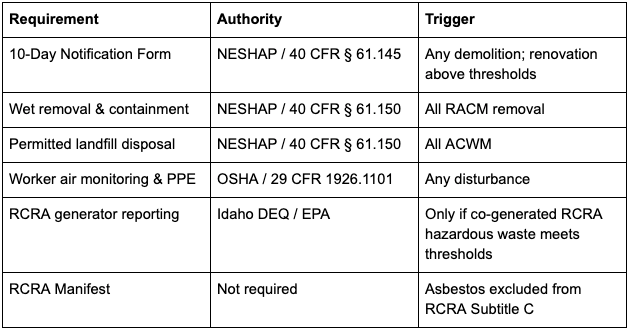
RCRA: Lead Hazardous Waste Generator Requirements
Post-renovation lead waste handling involves seven compliance steps:
- Generator Status — VSQG/SQG/LQG threshold determination, D008 characterization, EPA ID, DEQ notification
- Pre-Transport Containerization — Container selection, condition, segregation, accumulation date tracking
- Labeling — Required RCRA label elements, DOT shipping labels (UN3077, Class 9), label integrity inspection
- Transportation — Manifest preparation (EPA Form 8700-22), transporter verification, accumulation deadline compliance
- Disposal Site Compliance — TSD facility prequalification, manifest return tracking (35/45-day rules), Certificate of Disposal
- Recordkeeping — 3-year retention, SQG inspection logs, Idaho DEQ annual report (due March 1), renotification every 4 years, training records
- Certification — Signed certification statement with printed name and title
NESHAP: Asbestos Waste Generator Requirements
Post-renovation asbestos waste handling involves nine compliance steps:
- Applicability & Pre-Project Inspection — RACM threshold table, inspector certification, friable vs. non-friable determination, quantity documentation
- Advance Notification — 10-working-day notice, Idaho DEQ vs. EPA Region 10 routing, required elements, amendment tracking
- RACM Removal & Emission Control — Pre-removal setup, wetting requirements, no visible emissions, HEPA vacuuming, post-removal verification
- Waste Containerization & On-Site Handling — Double 6-mil poly bags, rigid drums, oversized wrapping, impermeable storage surface
- Labeling — Full OSHA DANGER label text, generator name/location marking, label integrity inspection
- Transportation — Waste Shipment Record preparation, transporter verification, vehicle cleanliness, loading inspection
- Disposal Site Compliance — § 61.154 authorized facility, 35/45-day receipt tracking, exception reporting, Certificate of Disposal
- Recordkeeping — 2-year retention for WSRs and notifications, 30-year air monitoring records, OSHA training records
Certification — Full NESHAP/OSHA/IDAPA certification statement, Idaho contractor license sign-off
The Bottom Line on Generator Liability
In most cases, the environmental subcontractor handles generator compliance on the owner’s behalf — providing the owner with a copy of the Waste Shipment Record (WSR), signed and confirmed by an approved disposal facility.
But here’s the risk: if something goes wrong with the subcontractor before the waste reaches its final destination, the property owner’s liability does not disappear. The owner remains a co-generator under federal regulation, regardless of who was hired to manage the process.
Your clients need to understand this before the first wall comes down — not after a compliance failure surfaces during closing or triggers an enforcement action. The best protection is working with a qualified environmental contractor who provides complete documentation from removal through final disposal.
That’s what a true cradle-to-grave compliance approach looks like. And it’s what EcoShield Restorations delivers.