Your Home Might Contain Asbestos — Here's What You Need to Know
If your home was built before 1990, there’s a real chance asbestos is somewhere inside it. It could be in the ceiling tiles, the floor adhesive, the pipe insulation, or even the textured coating on your walls. And here’s the thing most people don’t realize: asbestos isn’t dangerous just sitting there. It becomes dangerous when you disturb it, which is exactly what happens during a renovation, a repair, or even a well-intentioned weekend project.
At Eco Shield Restorations, we’ve spent years conducting AHERA inspections and handling asbestos situations of all kinds. We’ve seen what happens when homeowners don’t have the right information, and we’ve seen how straightforward the process can be when they do. This post is meant to give you that information.
Why Asbestos Still Matters in 2026
Asbestos was widely used in residential construction from the 1940s through the 1980s. It was valued for its fire resistance and durability, so manufacturers put it in everything — insulation, roofing shingles, vinyl floor tiles, joint compounds, ceiling tiles, and more.
Even though its use has been heavily restricted, asbestos doesn’t expire. If it was installed in your home decades ago, it’s still there today. And if your home has never been tested, you simply don’t know what you’re dealing with.
That uncertainty is where the real risk lives. Not in the material itself sitting undisturbed behind a wall, but in what happens when someone tears into that wall without knowing what’s inside.
Two Stories That Show Why Knowledge Matters
We want to share two real situations from our experience in environmental inspections — not to scare you, but to show how easily asbestos exposure happens when people just don’t know.
The Classroom Ceiling Tile
A second-grade teacher in a small Alaskan town was told to clear her counters and desktops on a Friday afternoon. Contractors were coming over the weekend to replace the ceiling tiles. Thinking nothing of it, the teacher took one of the old ceiling tiles home, cut it into four-inch squares, and brought them back on Monday as a class art project. The kids carved designs into the squares and made block prints with poster paint.
No one had mentioned the tiles contained asbestos. When they were later tested, the core was full of fluffy asbestos fibers — the kind that become airborne the moment you cut, break, or sand the material.
The Serpentine Running Track
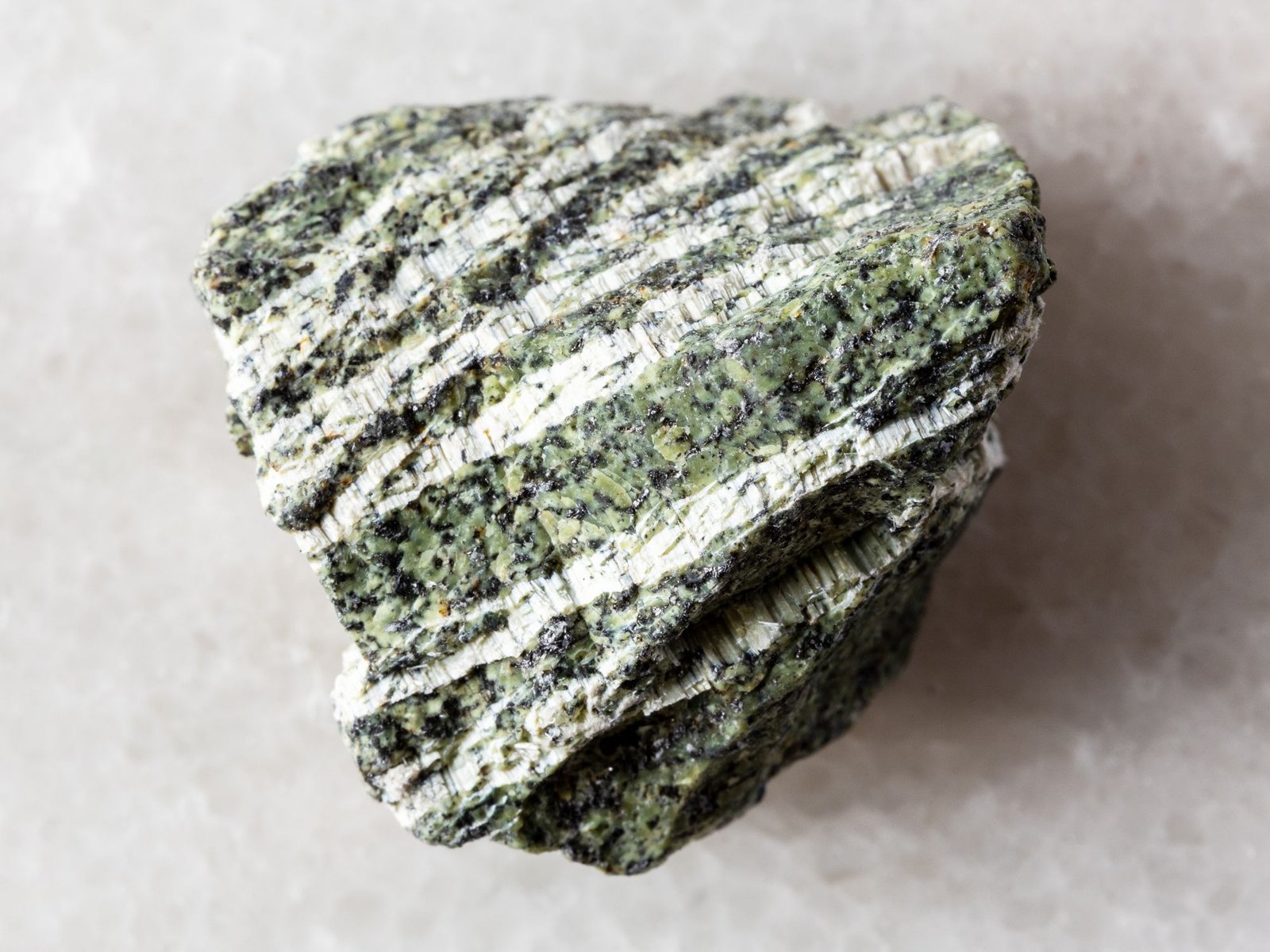
Serpentine is the state rock of California, and mounds of it line roadsides throughout the northern part of the state. A high school principal, wanting to show state pride, had the maintenance crew collect truckloads of roadside serpentine, crush it, and use it to resurface the athletic track.
What no one realized is that serpentine is a naturally occurring source of chrysotile — white asbestos. The veins of white fiber marbling through the rock aren’t decorative. They’re asbestos. Every time a student ran on that track, they were kicking up fibers.
The takeaway from both stories is the same:
The danger wasn’t malice or negligence. It was a lack of knowledge. The people involved simply didn’t know what they were handling. As a homeowner, the same principle applies to you. Before you knock out a wall, pull up old flooring, or scrape a popcorn ceiling, you need to know what’s in the material first.
What a Homeowner's Asbestos Game Plan Looks Like
You don’t need to become an asbestos expert. But if you own an older home — or any home with a renovation or damage history — you do need a basic plan. Here’s what that looks like:
- Know the red flags. Homes built before 1990, original ceiling tiles, old pipe insulation, vinyl floor tiles from the mid-century era, and textured wall or ceiling coatings are all common places asbestos shows up.
- Test before you touch. If you’re planning any renovation, repair, or demolition work in an older home, get the materials tested first. This isn’t a DIY job — licensed professionals take small samples and send them to a certified lab. The results come back quickly, and they tell you exactly what you’re dealing with.
- Don’t disturb suspected materials. If you think something might contain asbestos, leave it alone. Asbestos that’s intact and undisturbed is not an immediate health hazard. The danger comes from cutting, sanding, breaking, drilling, or demolishing materials that release fibers into the air.
- Work with certified professionals. If testing confirms asbestos, the next step is abatement (safe removal) or containment (encapsulating the material so it can’t release fibers). Both approaches require certified technicians and proper documentation.
- Get clearance documentation. After any abatement work, make sure you receive final clearance paperwork. This confirms the area has been properly remediated and is safe. It also protects you if you ever sell the home — buyers and inspectors will ask for it.
Why This Matters More Than You Might Think
Asbestos-related diseases — including mesothelioma and asbestosis — develop slowly, sometimes taking 20 to 30 years after exposure before symptoms appear. That’s why prevention is everything. You can’t undo an exposure, but you can absolutely prevent one by testing first and working with people who know what they’re doing.
We're Here When You Need Us
At Eco Shield Restorations, we work directly with homeowners throughout the process — from fast, licensed testing to certified abatement services and clear documentation. If you own an older home and you’re planning a project, or if you just want to know what’s in your walls before your kids’ next bedroom makeover, we’re a phone call away.